
Researching Rosina
Tips & tricks to remember when building an Italian restaurant.

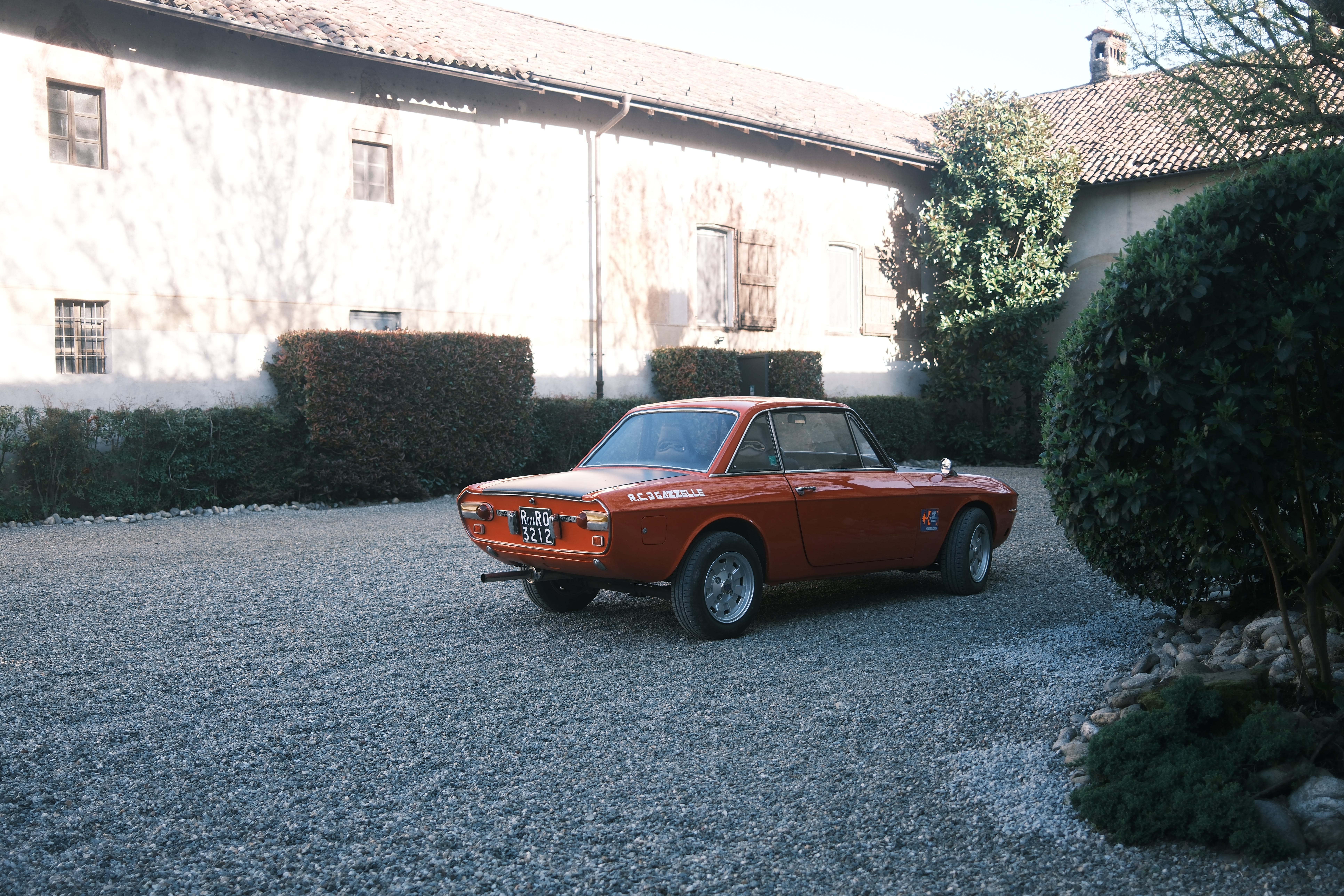
Back in April, me and the team went on a trip to Italy, to gain a true understanding of the culture and cuisine, building the foundations of Rosina’s DNA.
Here are the 10 things I learnt about Italian cookery and produce on my research trip to Italy.
1. Dried Pasta
Dried pasta is not made equal.
For the best tasting pasta dish, you want trafilata al bronzo (bronze-die pasta). The little groves left behind by the bronze moulds will help provide grip for your sauce.
2. Pasta Water
Pasta water is your friend. Season the water with 2% salt, always more than what you think you should. The water will take on the starch of the pasta and ultimately thickens your pasta sauce.

3. Caponata
Caponata is made sweeter, or rather, sweet and sour in the south. They call this agrodolce in Sicily.
It’s absolutely delicious this way, and a perfect antipasti to start any meal.
4. Vesuvian Wine
Wines from around Mount Vesuvius – in the Gulf of Naples, Campania – are full of minerality, with floral notes unlike many other wines I have tasted. This is thanks to the volcanic minerals in the soil the grapes grow from.
We visited the Sorrentino vineyard at the foot of Vesuvius.
Go for the wine, stay for the exceptional views.
5. Tiramisu
Tiramisu with alcohol – like amaretti or marsala – is not the Italian standard. Most tiramisu consists of a strong coffee, sponge-like biscuits (the type varies from region to region), mascarpone and eggs.
For me, it has to be Pavesini biscuits in a tiramisu.
Remember, tiramisu literally means ‘pick me up’.


6. Your coffee order
Cappuccino up to 11am. Italian rules dictate it is strictly espresso thereafter… you’ve been warned.
7. Parmesan or Parmigiano?
It is Parmigiano Reggiano – it is not Parmesan!
Watch Episode 2 of the Road to Rosina here, to see the craftsmanship and dedication that goes into making one of the world’s best-loved cheese.
8. Parmigiano doesn’t like fish
Another Italian rule of thumb – never add parmigiano to fish-based pasta or risottos (although, I did see this done a couple times).


9. Risotto
Risotto rice is grown slowly, aged for one year, and sieved for broken pieces.
The best undoubtedly comes from Riso Buono in Milan, where we visited to sample Cristina’s Carnaroli rice.
Watch Episode 1 of the Road to Rosina here, to see the best risotto I have ever cooked - with ,what I think is, the number one rice in the world.
10. ’Nduja
‘Nduja is made from 42% pork fat, 30% pork meat (shoulder & neck), 25% peperoncino, and 3% salt.
That’s it. Simple, effective and delicious.


I hope that’s helpful. It was for me.
Isn’t life great, when after cooking for 35 years you can still learn so much from so many cultures and cuisines.
Such a privilege.
I’ll be publishing the next ten in September - stay tuned if you enjoyed this one.
Come and see us at Rosina, opening 29th June!
You can continue on the Road to Rosina, with episodes coming out each Sunday over on my socials below.
@adambyatt - Instagram
@ChefAdamByatt - YouTube
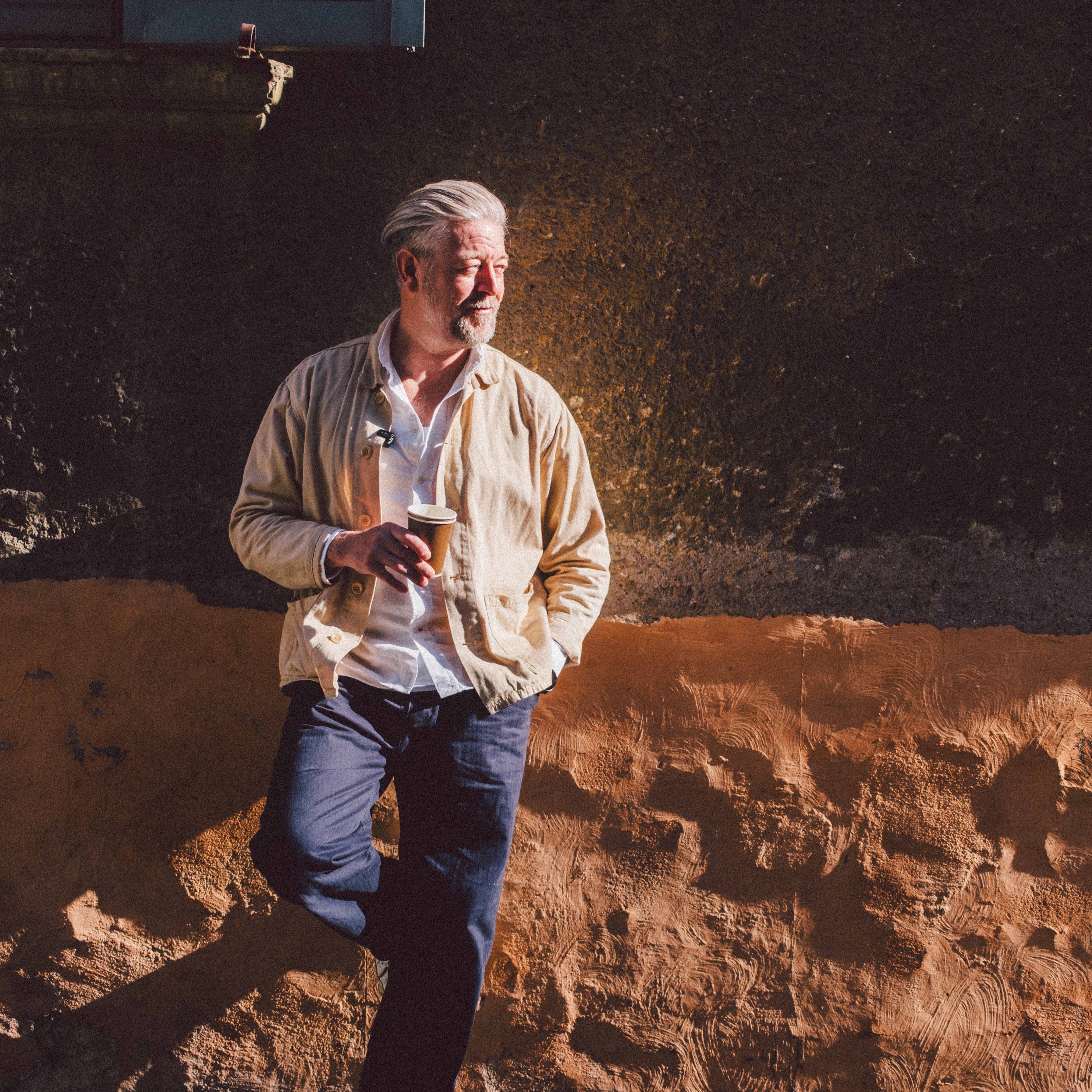
I am also very excited to announce that the Trinity cookbook will be launching on the 10th September.
After 20 years of Trinity in the making, this 2-in-1 book - Trinity: The Cookbook and Trinity Repertoire - is a culmination of my life’s work and everything that has made Trinity.
Follow this link for pre-order.
Happy cooking
Adam x

Tiramisu without alcohol was a shock for me too - my mother’s Tiramisu has it, but my mother in laws Tiramisu does not! Both are good and traditional but in their own way.
I’m very excited for your Trinity cookbook Adam, I’ve been a fan of yours for some time. Thanks for sharing.